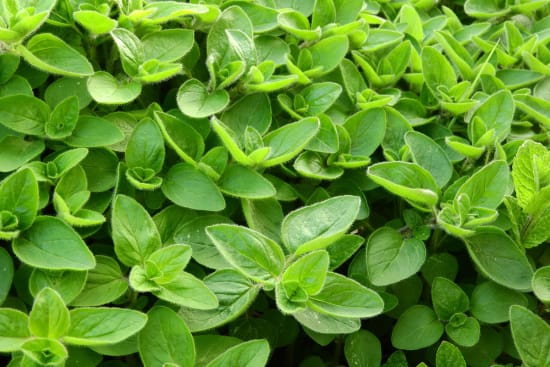
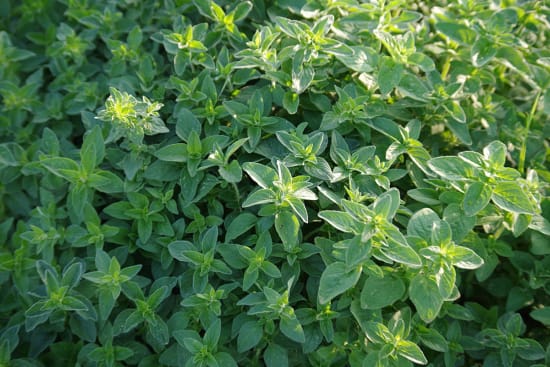
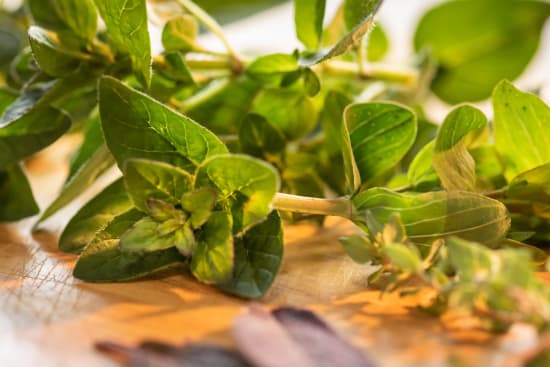
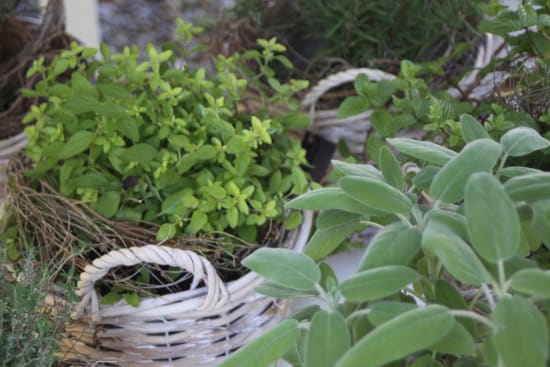
Marjoram and Oregano do belong to the same plant genus. But while
marjoram can be
combined with other spices, oregano is more commonly used alone.
Marjoram - for hearty dishes and stews
With its intense, slightly peppery and tart flavor, marjoram is
suitable for fatty dishes such as pork, roast goose or sausage.
But finely dosed it
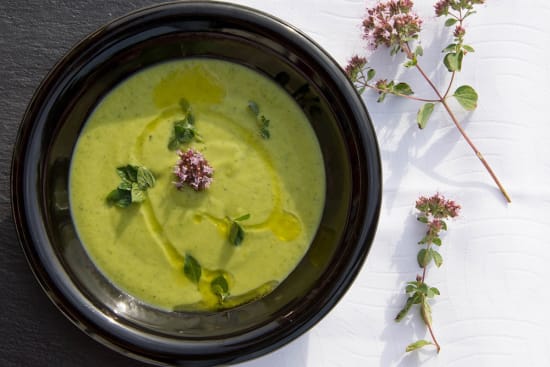
also refines vegetables, fried potatoes, stews and tomato soup.
Last but not least, it is suitable for seasoning sauces, dips,
herb mayonnaises, finely stirred curd cheese or cream cheese.
In the garden or on the balcony, annual marjoram needs loose,
nutrient-rich soil. Give it a full sun location and
provide a constant but moderate water supply. Avoid waterlogging.
If you are planting marjoram again the following year, take fresh
soil on the balcony
or place it elsewhere in the garden. Otherwise, it will not grow.
Marjoram - a symbol of bliss
The sweet scent of marjoram is said to have been created by the Greek
goddess of love, Aphrodite, as a symbol of bliss. Therefore, it was
customary in Greece
to hang garlands of marjoram around the necks of newly married couples.
In the Middle Ages it reached the rest of Europe. There it was
bound in bouquets,
but also used for herbal pillows and the water used to wash clothes.
Of course, superstition is also associated with marjoram. Example:
when the weather was muggy, people put marjoram next
to fresh milk, believing that it would keep better and not turn sour.
In addition, marjoram tea was recommended especially to people who
were unhappy and sour,
because the sweet smell of marjoram was supposed to make them happy.
Oregano - not only good for pizza!
The spicy, tart, slightly bitter oregano is not only good on pizza.
Because after all,
it is impossible to imagine Italian cuisine without it.
It goes well with grilled lamb and pork, but also with fish,
sheep cheese,
tomatoes and vegetables. The tender shoots are particularly spicy.
In addition, oregano is also called «wild marjoram» because it is
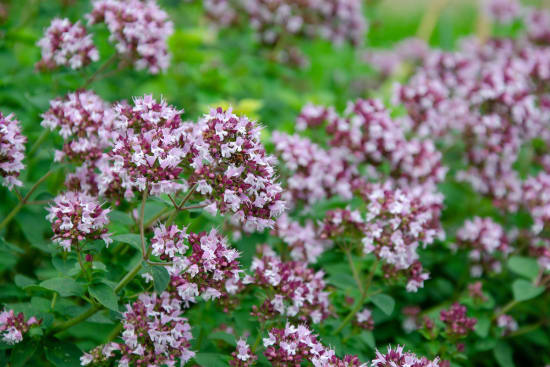
botanically related, although unequally spicier. Perennial oregano
thrives
best in full sun locations and loves light, well-drained, lean soil.
Actually, it needs only
little water. But the soil should never dry out completely.
Even bees and butterflies have a weakness for oregano
Oregano has a seductive scent. It's not just us humans who like it.
Insects also react. Like a
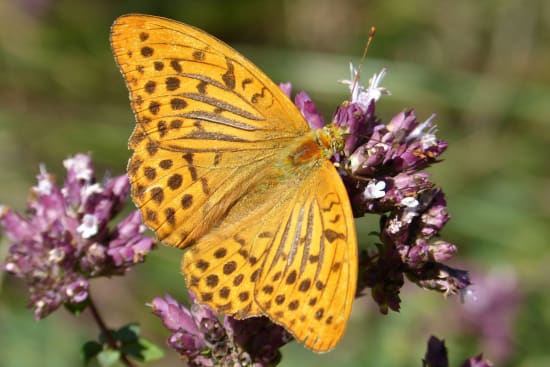
magnet, oregano flowers attract bees, bumblebees and butterflies.
And since the nectar of oregano contains up to 76% sugar,
word gets around among insects and ensures recurring visits.
The latter, of course, also has to do with the fact that oregano
constantly develops new flowers and
the table for insects is abundantly covered from June to October.
By the way, a study has shown that at 1 p.m. the most frequent flower
visitors appear. We haven't
checked. But this should be easy for anyone who grows oregano.
Fresh herbs delivered directly to your home by mail –
conveniently ordered from FleuropHOME.
You don't have a MyFleurop account yet?
Register now
MyFleurop customer club5 good reasons
Benefit from attractive advantages with MyFleurop:
50 MyFleurop points starter bonus.
Collect points online, by phone and at Fleurop partners (one point per franc).
From 300 points, deduct credit from your order.
Exclusive raffles and competitions.
On request, we will remind you of birthdays, etc. by e-mail or SMS.
You don’t have a corporate account at Fleurop yet? Register now
7 great reasons for a B2B-account at Fleurop:
Register now as a B2B client and profit from a discount on the flower value from your very first order.
For further questions please contact us per phone (+41 44 751 82 80) or mail.
One account for your entire team: easy & clear
Order online by 3 pm: delivered throughout Switzerland on the same day
Local florists, worldwide delivery: sustainable and personal
Varied assortment: the ideal gift for every recipient
Flowers by subscription: minimal effort for you!
Corporate flowers: branding and individuality for your floral gifts