Sunflowers for greater biodiversity - a cool gardening trend
Discover why sunflowers are not only beautiful, but also true superheroes of nature. They help transform gardens into lively homes for insects, birds and more.
Sunflowers are insect magnets
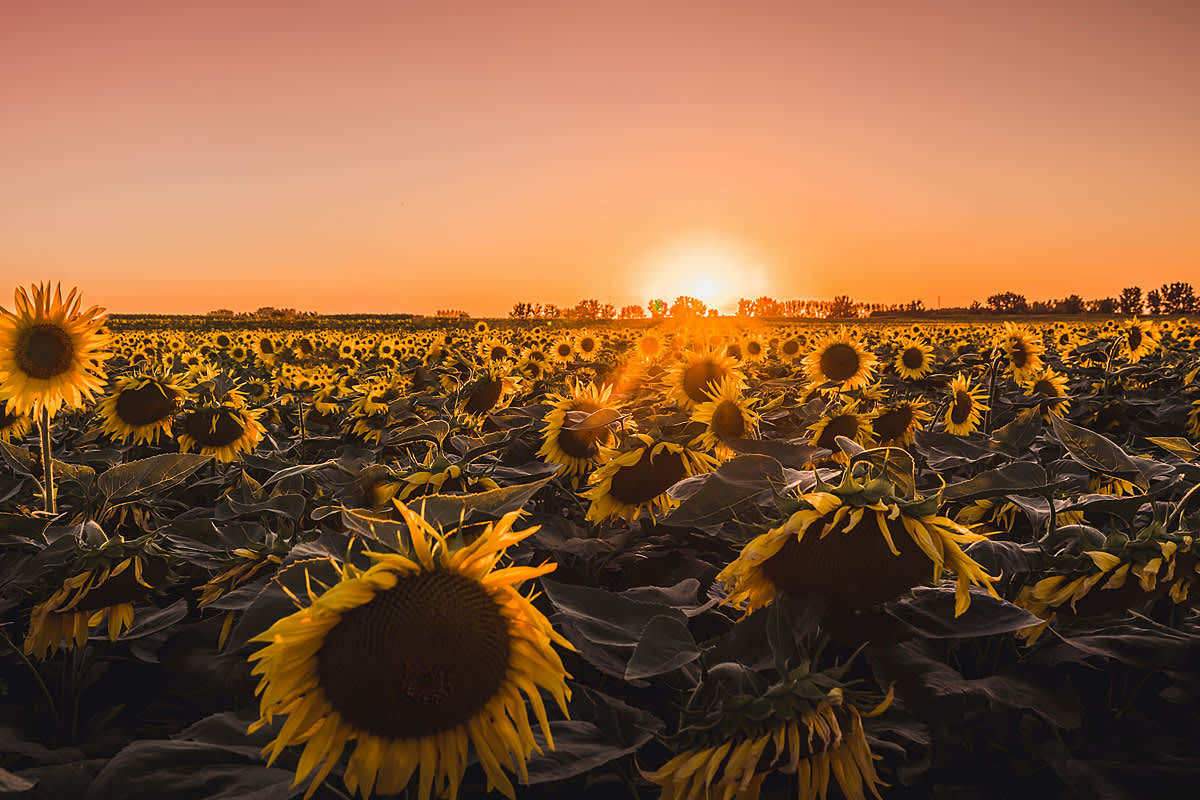
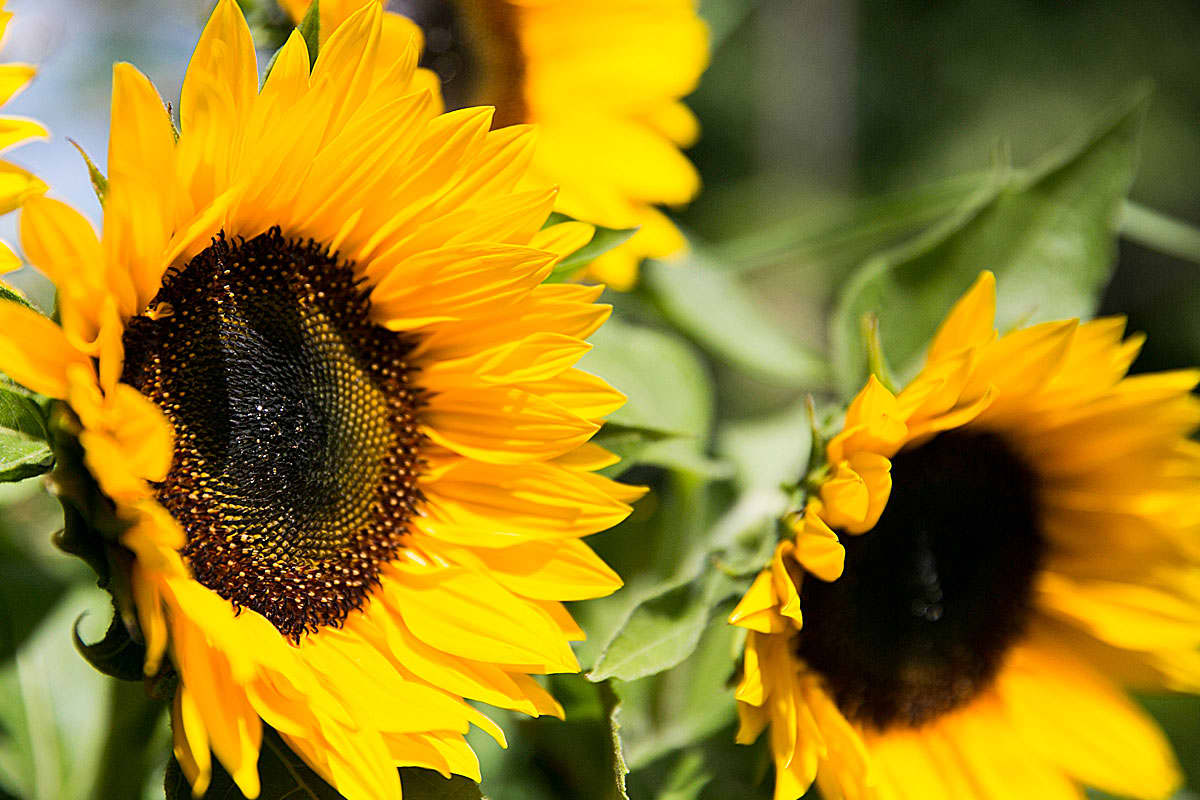
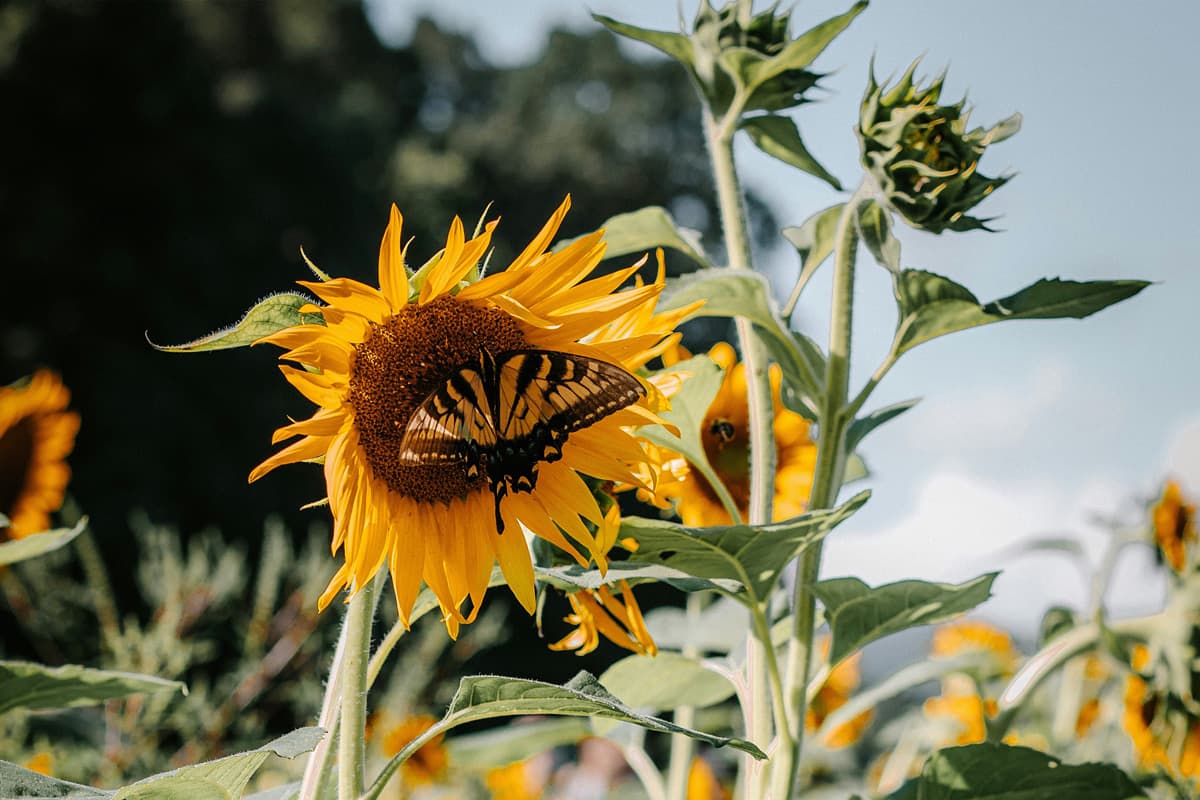
There's a cool trend in the world of gardening: sunflowers are increasingly finding their way into natural gardens. This fits in perfectly with our growing awareness of environmental protection and biodiversity. Sunflowers are real insect magnets - they attract bees, butterflies and the like because they offer nectar and pollen. They therefore play an important role in making our gardens livelier and more colorful. And best of all, they are super easy to care for, can cope with different types of soil and adapt well to different conditions. No wonder they are so popular in sustainable garden designs!
Discover our bee hotels.
Whether in a garden or city park: sunflowers are real little oases
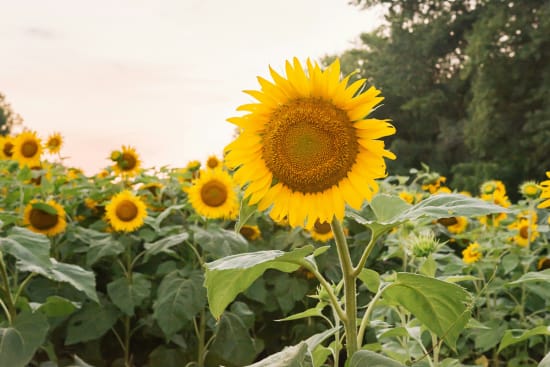
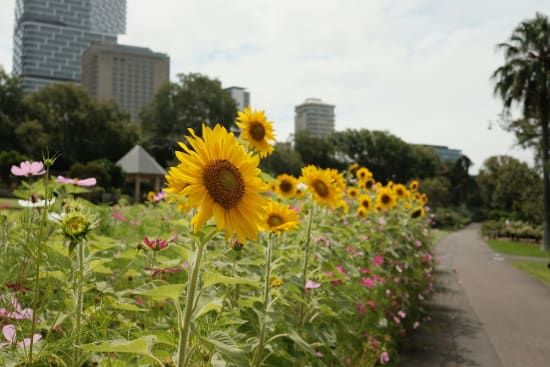
The loss of natural habitats is a major challenge for nature conservation. Constantly growing cities and intensive agriculture are leading to a decline in biodiversity. This is where sunflowers come in: they can be real little oases, whether in the city or in the countryside. They provide shelter and food for many animal species and help to make nature a little more vibrant. However, planting them in city parks, gardens or on balconies requires a little planning. It is important to choose the right varieties, ones that suit our climate and harmonize well with other plants.
Turn your outdoor space into a green oasis of well-being.

Studies show how ingeniously sunflowers support biodiversity
Many studies show how sunflowers can really support biodiversity. One example is a garden project in Berlin where sunflowers were the centerpiece. The aim was to attract more insects and birds to the city. The result? There was a significant increase in bees and a greater variety of bird species. Projects like this make it clear that sunflowers are ideal for bringing nature to life in urban areas. They are a great inspiration for all gardening enthusiasts who want to do something to promote biodiversity themselves.
Our honey also supports bees.
Sunflowers will continue to be important in the future
Looking to the future of horticulture, one thing remains clear: sunflowers will continue to play an important role. They combine ecological benefits with an attractive appearance - perfect for sustainable gardens. The great opportunity lies in integrating sunflowers even more into urban and rural areas. This requires teamwork: environmentalists, urban planners and garden owners must work together. Only together can we promote biodiversity and keep our gardens beautiful and vibrant at the same time.
Fancy some more sunflower themes?
The sunflower is full of positive symbolism
The sunflower has always had fans, not only among indigenous peoples, but also among monarchs and hippies. This is the symbolism of the sunflower.
Not all sunflowers are yellow and tall
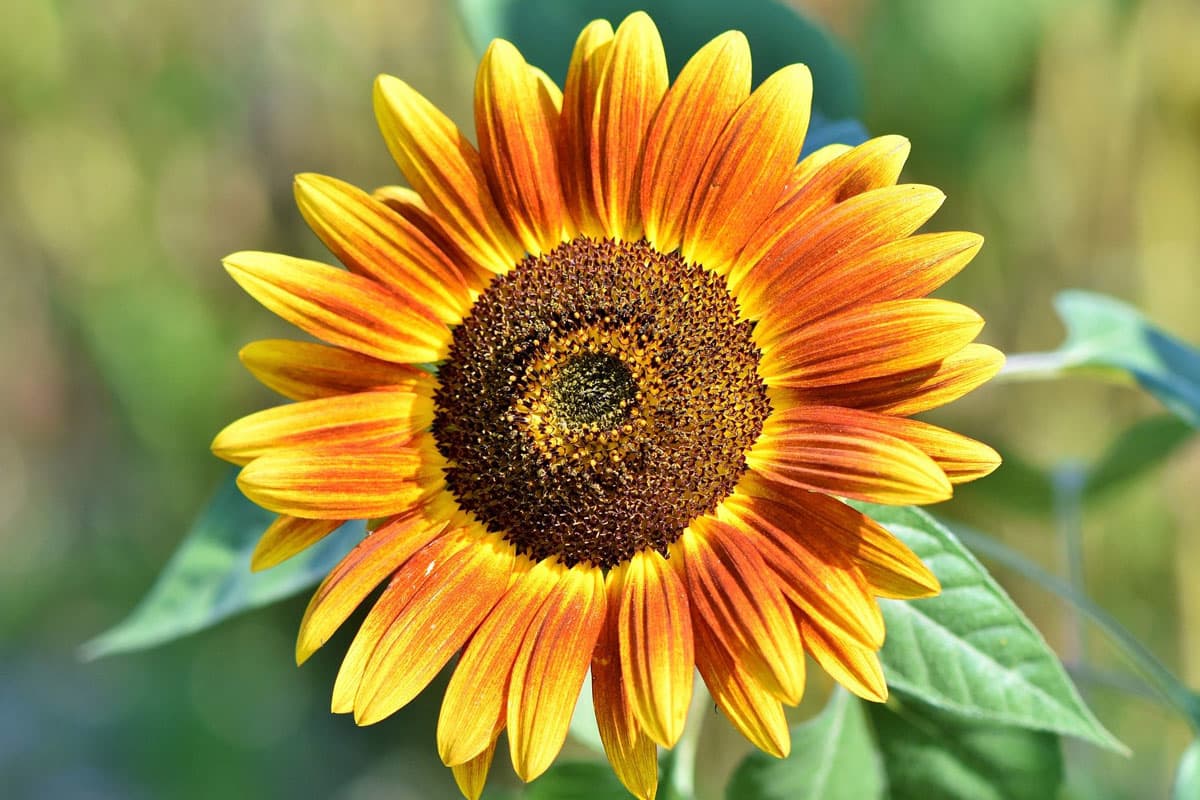
What do you think the sunflower looks like? Yellow? Big? That is correct. But sunflowers can look completely different.
How to keep sunflowers in the vase
Would you like a wonderful bouquet of sunflowers? We'll tell you what you need to do to make the wonderful summer feeling last as long as possible.
Sunflowers - divine and beautiful
Here you will learn where the sunflower was worshipped as a symbol of a sun god, how it came to Europe and what we used it for.
Sunflowers with detoxifying properties
Did you know that sunflowers and sunflower oil have detoxifying properties and are used for both oral hygiene and agriculture?
Sunflowers: faithful followers of the sun
How did the name «sunflower» come about? What do other people call it? And when can a sunflower show us the direction?
Useful information about sunflowers in a pot
For sun worshippers and summer fans, potted sunflowers are a must. We will tell you what to look out for.
Sunflowers for greater biodiversity - a cool gardening trend
Discover why sunflowers are not only beautiful, but also true superheroes of nature. They help transform gardens into lively homes for insects, birds and more.